Translated by Allen Montrasio, teacher @John Peter Sloan, la Scuola.
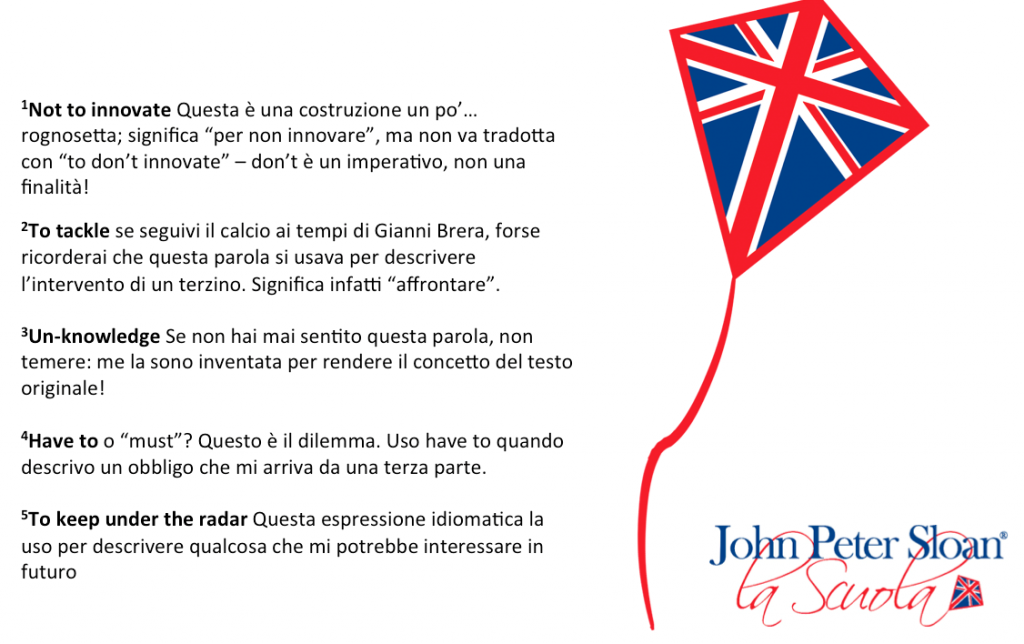
I am convinced that ignorance has allowed humans to progress. Reading the dictionary definition of the noun “ignorance”, we can see that this related to unawareness and lack of knowledge, due to never having dealt with something or never having heard of it. Two perfect starting points for anyone, like myself, who deals with innovation and new ways of doing business. That means “doing” things that were never tried before and studying matters that have never been tackled2.
During my innovation management lessons, among the key points I make, I point out one of the skills of company strategists – knowledge management – defined as the ability to manage consolidated practices, and to juxtapose it with “un-knowledge”3 management, attributing this skill to innovators and defining it as the ability to manage the unknown. Innovators have to enter the realm of ignorance, to challenge it and accept the risks and costs connected to it. If you want to innovate you must “manage ignorance”, with the strategic intent of pursuing and learning the unknown.
To innovate and change the status quo, managers have to4 be prepared to call themselves ignorant in a strategic and constructive way. They must be prepared to do what has never been done before to change their habits, to challenge consolidated skills and knowledge and to tackle and learn new ones.
The highest cost of “un-knowledge” management is fear.
You must be afraid, because if the unknown or untried does not frighten us, it’s not really a change from the status quo. The power of innovation is directly proportional to the fear it puts into the defenders of the status quo.
In my career I have met many managers and business people who refused to pay this cost and chose not to be afraid.
All the excuses of managers who don’t want to be afraid
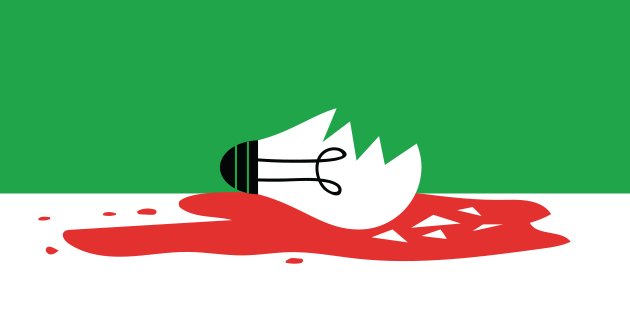
I have compiled a list of the sentences used to justify this decision of not wanting to be afraid of the unknown and remain in the comfort zone. These are sentences and phrased often found under the heading “IDEA & INNOVATION KILLER”. Many of these I heard directly, others I have read and some have been referred to me. I know this is not a complete and exhaustive list, so I hope you’ll take to the social media to help me integrate it.
Have fun!
- Great idea but let’s wait, let’s keep it under the radar5
- Maybe it’s too much for us
- Since when are you an expert of this?
- We don’t have the staff to pursue this idea
- It’s not suitable for our customers
- We don’t want to make mistakes
- Our customers will never use this product/service
- Our customers don’t want this
- Too revolutionary, we don’t have time
- It’s illogical
- No! It’s impossible!
- We haven’t got the budget
- Our bosses disagree
- I’m not creative
- It’s not my responsibility
- So? We can’t risk our image
- The market isn’t ready
- Customers don’t buy it
- It may work, but not in our company
- We don’t have the time
- We can’t find the funds
- My boss won’t carry this out
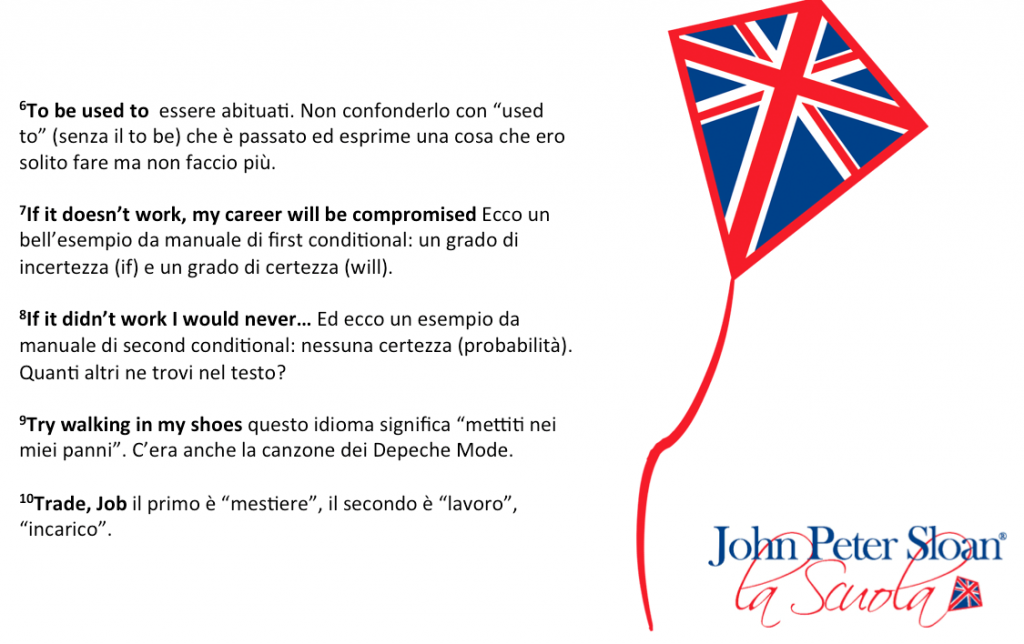
- We are not in a business that’s used to6 innovation
- We can’t solve the legal issues
- I’ve got too much on my hands right now
- If I get it wrong I have too much to lose
- Too many projects at the same time: I might do badly
- I’ve just joined, I have to understand where I am
- I’m not good at public speaking
- I’m not good at presenting my idea
- No one in this company believes in innovation except me
- Too much bureaucracy to even think of carrying out an innovative project
- Our customers are not asking us for this
- We have a risk-averse culture
- We’ve always done it this way, why change?
- No one does it in our field
- We don’t have an innovation culture
- We don’t have an innovation process
- I’m not paid enough to deal with these things
- I’m not paid enough to take risks
- My boss will take all the credit
- I’m not a good diplomat
- I’ve already got enough hassle as it is
- If it doesn’t work, my career will be compromised7
- My family life would suffer
- I’m not disciplined or determined enough
- It’s a too “far out” idea for our company
- I wouldn’t be able to find the right staff
- We don’t have enough data, research and information
- Surely if I tell it, someone will steal the idea
- It takes too long to give results
- We’re having a budget cut
- The board will veto it
- They’ll make fun of me
- I don’t know how to tell the idea to the decision makers
- If it didn’t work I would never want to try again8
- It’s too innovative!
- I haven’t got a manager to deal with uncertainty
- It’s all engineers here, no creative people
- It’s not a good time in the company to start this kind of project
- I’m not right to be the boss for such a project
- Our company is going through too many changes as it is
- They wouldn’t give me the necessary time to work on this
- If it was successful, they would expect a great deal from me
- Nothing ever changes here
- It’s all to fast
- Someone else would take the credit if it were successful
- I’m not committed enough
- It’s not enough to be committed, we need money
- I’m close to retirement
- The other projects would suffer
- What would the others say?
- If you were here, you’d understand
- Try walking in my shoes9
- I don’t want other things on my mind
- Someone else will certainly do the same thing better than us and quicker
- There is no teamwork here
- I’ve never done anything like this before
- If it was successful I would have nothing to gain
- I would not be paid for this kind of activity
- We are not measured for innovation
- We don’t have the right credentials
- It’s not my trade10
- It’s not my job10
- Too much hassle to sustain the project’s reason-why
- I’ve already tried and it went wrong
- It takes too long
- Our innovation process would stop this project
- OK, but after August
- OK, but after Christmas
- The market is too volatile
- It’s a luxury we can’t afford these days
- I think we’re being acquired
- We’ll have to re-organise soon
- We’ve just re-organised
- We’ve got the auditors in, better wait
- I’m trying to make my life simple, not complicate it
- I’m like a prisoner, I can’t move
- My company is exploiting all its resources
- You can’t draw blood from a stone
- We’re not interested in innovation
- We’re already innovative
- I haven’t got the patience
- I’m not sure I will start
- I don’t know how to start
- I’m too old for this kind of thing
- The company is too competitive
- We are not a collaborative company
- This is the CEO’s job
- This is the managers’ job
- I’m trying to leave this company
- Nice project, but can I send you my CV?
- Market conditions are not right
- We need to concentrate on the short term
- Innovation? Show me something the others do
- We have a Six Sigma project that’s taking up all our resources
- We’re cutting costs
- It won’t work
- Maybe next year
- This is R&D’s job
- I would if I could, but I can’t so I wont
- Can you first benchmark something similar for me?
- Be realistic!
- Too expensive
- Let’s keep it real!
- We need to look into the analysis
- Fine, but in future
- Too difficult to manage
- It’s too big a challenge for us
- Are we sure?
- I don’t want to be the first to do this in our field
- We’re doing well, why change?
- We innovated too much in the past
- Who says it will work?
- Let’s wait and see if and what our competitors do.